

By Ajiri Daniels
The participation of women in governance and leadership has been recognized as a cornerstone of inclusive growth and nation-building. This was the focus of an X (formerly Twitter) Space conversation themed “Nigeria Politics: The Place of Women Thus Far,” hosted by The Nigerian Political Pulse Check (NPPC) in collaboration with AJU Global Media.
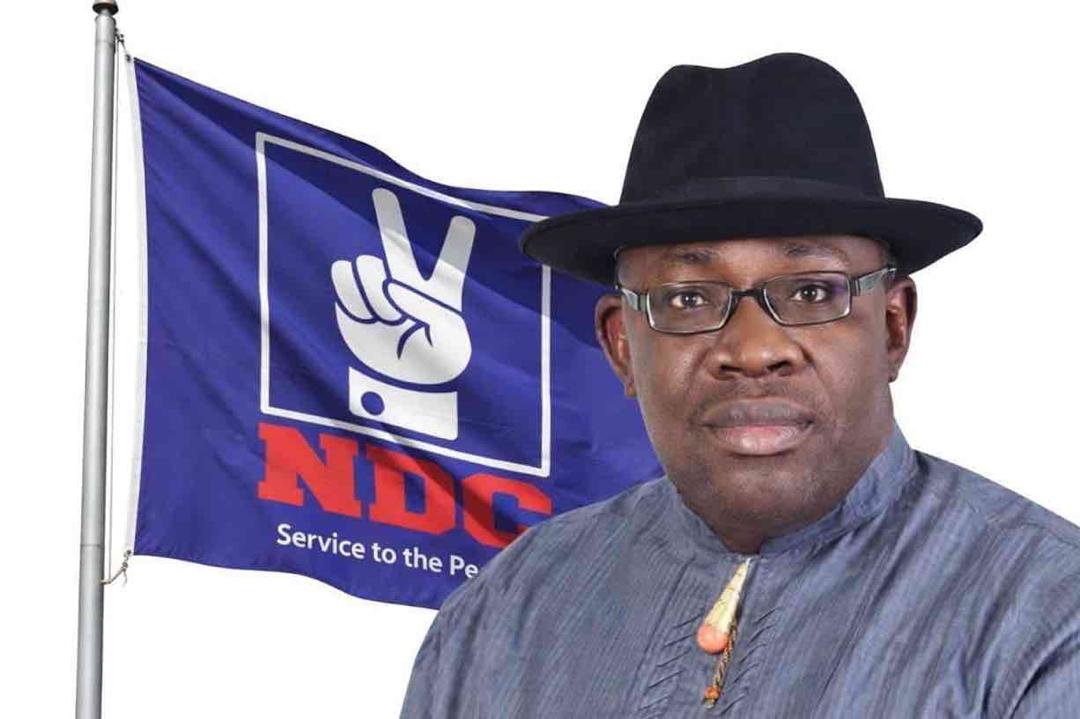
The discussion brought together civil society organisations, women advocacy groups, political stakeholders, and members of the public, with Senator Henry Seriake Dickson, former Governor of Bayelsa State and National Leader of the Nigeria Democratic Congress (NDC), as the guest speaker.
The session was moderated by Amb. AJU Elumelu-James, Chief Executive Officer of AJU Global Media and Founder of the AJU Morgan Elumelu Foundation (AMEF).
Elumelu-James opened the conversation by highlighting the need for a stronger voice for women in leadership and governance, stressing affirmative action as a critical tool to ensure women secure their rightful place in Nigeria’s political system. She emphasized the importance of hearing from Senator Dickson on how his party plans to promote women’s participation at all levels.
Dickson acknowledged that Nigeria has not done enough to integrate women into leadership and decision-making. “As a He-for-She ambassador and patron of several women organisations, I strongly support affirmative action for women,” he said. While noting the appointments of prominent women such as Ngozi Okonjo-Iweala, the late Dora Akunyili, Diezani Alison-Madueke, and Amina Mohammed, he stressed that deliberate policies guaranteeing women’s representation are still lacking. “What we are saying is not that women have not been appointed. What we are saying is that more should be appointed, and Nigeria should adopt a clear affirmative action policy,” he added, suggesting that in a cabinet of over 60 members, women could occupy 20 to 30 positions if intentional measures are taken.
Dickson identified systemic barriers, including internal party structures, monetisation of politics, and weak citizen participation, as major obstacles for women. He described the Nigerian political landscape as dominated by wealthy individuals controlling public resources, creating a plutocracy that limits opportunities for women and other marginalized groups. Reflecting on his tenure as governor, he highlighted initiatives to promote women’s involvement, such as establishing the Bayelsa State Centre for Women Development and implementing affirmative action policies at local government levels to ensure at least 30 percent of councillors were women. He described his approach as “leading from the front,” appointing women to key positions and mentoring them to succeed in leadership roles.
On the NDC, Dickson said the party was created to fill an ideological void in Nigerian politics. Criticizing major parties like the APC for failing to uphold inclusion and people-centered governance, he said the NDC is designed to integrate affirmative action, deliberate women representation, and mentorship programmes to support aspiring female politicians, including protecting them from exploitation and harassment.
He urged Nigerians to take ownership of the democratic process. “Democracy is about the people, not just the leaders. Citizens must fund and support political movements that align with their values,” Dickson said. He added that despite being only a few weeks old, the NDC is gaining traction nationwide, with growing numbers of supporters registering and engaging on the ground. He called on Nigerians to actively support women and other underrepresented groups in leadership, stressing that inclusive governance is essential for progress and nation-building.