

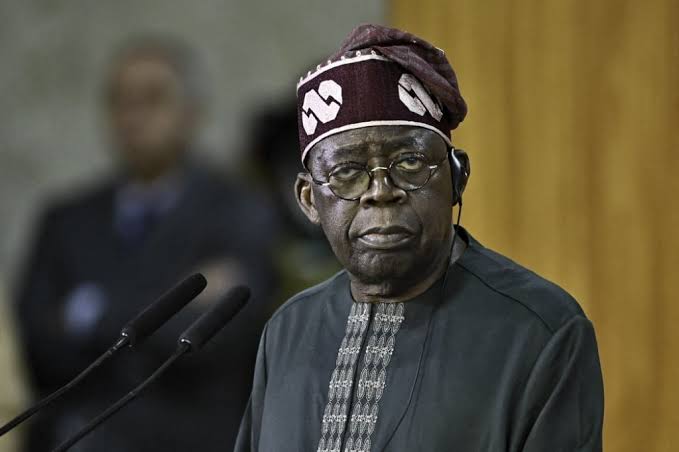
…Under President Bola Ahmed Tinubu, Edo people have not only become less secure—they have become significantly poorer

By Chris Osa Nehikhare

If insecurity makes life dangerous, economic mismanagement makes life unbearable. Under President Bola Ahmed Tinubu, Edo people have not only become less secure—they have become significantly poorer. This is not accidental. It is the predictable outcome of poorly thought-out policies, fiscal recklessness, and a governing philosophy that places political survival above human welfare.
The removal of fuel subsidy, executed without adequate cushioning or planning, hit Edo State with brutal force.
Transportation costs in Edo surged almost overnight. The ripple effects were immediate: food prices spiked, intercity transport became punitive, and small traders—especially women—found their profit margins completely wiped out.
For farmers in Esan South-East, Etsako East, and Orhionmwon the story is even bleaker. Increased fuel costs translated directly into higher prices for farm inputs, processing, and transportation. Yet, there was no corresponding federal intervention to protect smallholder farmers. No targeted agricultural support, no transport subsidies, no emergency food stabilization programme. Instead, Edo farmers were left to absorb the shock alone, while federal officials congratulated themselves on “bold reforms.”
The floating of the naira further deepened this crisis. Edo is a trading state. From spare parts in Uwelu to building materials in Auchi, price volatility has crippled planning and purchasing power. Artisans can no longer price jobs accurately. Traders restock with fear. Salaries—where they exist—have become almost symbolic.
Inflation in Edo is not an abstract macroeconomic concept; it is the lived reality of working harder, only to afford less each day.
Perhaps most offensive to Edo people is the growing disconnect between suffering and leadership conduct. Nigerians are told to endure hardship as a patriotic duty, while government officials travel in convoys, enjoy luxury allowances, and speak casually about sacrifice. This moral contradiction undermines trust and deepens resentment.
Against this backdrop of economic pain, Edo people are being asked to focus on producing 2.5 million votes for President Tinubu. The question must be asked plainly: how are hungry citizens expected to muster political enthusiasm? How do struggling families prioritise elections over survival?
Economic failure is not just about bad numbers; it is about broken lives. It is about young Edo graduates migrating in desperation, elderly parents skipping meals, and families sliding into debt just to remain afloat. A president under whose watch this scale of economic regression has occurred cannot credibly ask for renewal of mandate.
It is important to acknowledge that Nigeria has been under APC governance, and that governance has now extended uninterrupted for over a decade. The economy has been hit and poverty has become more widespread during ten consecutive years of APC leadership, therefore, it is reasonable to question the party’s capacity to offer credible solutions going forward. It is simply placing responsibility where it belongs.
Re-electing Tinubu would mean validating a system that transfers the cost of governance failure directly onto ordinary citizens. Edo people deserve an economy that rewards effort, protects the vulnerable and plans beyond slogans.
On economic grounds alone, the argument for change is compelling.
This is the second in a series of essays on why President Tinubu will not get 25000 (twenty five thousand) legitimate votes in the 2027 presidential election in Edo State.
Stay tuned for number 3