


Nigeria is marking the 29th anniversary of the death of Afrobeat legend and human rights activist, Fela Anikulapo-Kuti, whose music and outspoken criticism of injustice left an enduring mark on the country’s political and cultural history.
Born Olufela Olusegun Oludotun Ransome-Kuti on October 15, 1938, Fela died on August 2, 1997, in a Lagos hospital after a prolonged illness. Widely regarded as the pioneer of the Afrobeat genre, he was a multi-instrumentalist, composer and activist whose songs challenged corruption, military dictatorship and social inequality.
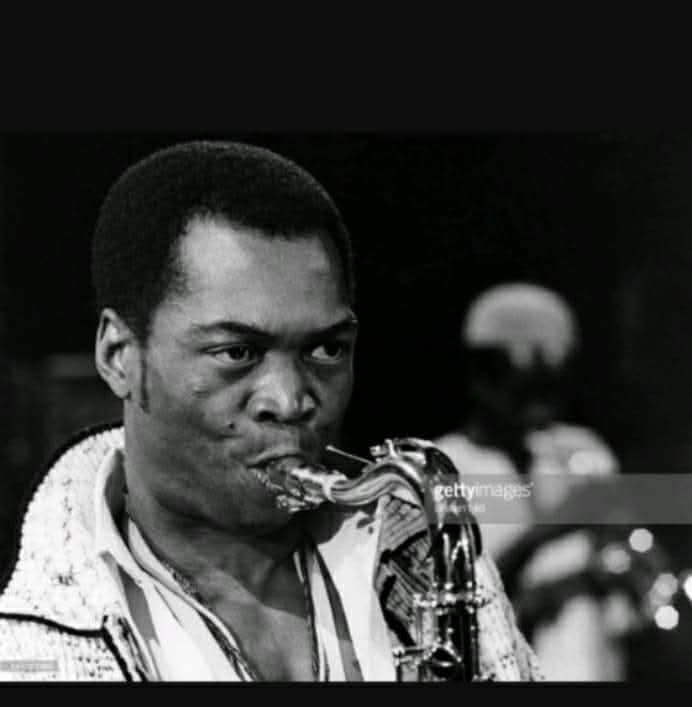
Throughout his career, Fela released more than 100 albums, using his music to amplify the voices of Nigeria’s poor and marginalized. His fearless criticism of successive military governments made him a constant target of state authorities, leading to repeated arrests, harassment and imprisonment.
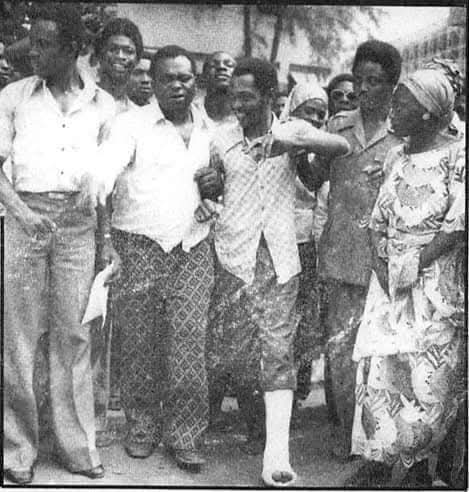
One of the darkest moments in his life came in 1977 when soldiers raided his famed Kalakuta Republic in Lagos. During the attack, Fela sustained severe injuries, including a fractured skull, while his 82-year-old mother was allegedly thrown from an upstairs window. She later died from injuries sustained in the incident. The attackers also set the compound ablaze, destroying his recording studio, master tapes and musical instruments. Although a government inquiry blamed the destruction on “unknown soldiers,” no one was prosecuted and no compensation was paid.
Following the attack, Fela briefly went into exile in Ghana before returning to Nigeria in 1978. The following year, he established the Movement of the People (MOP) as a political platform and renamed his band Egypt 80. During Nigeria’s civilian administration between 1979 and 1983, he continued recording and touring extensively.
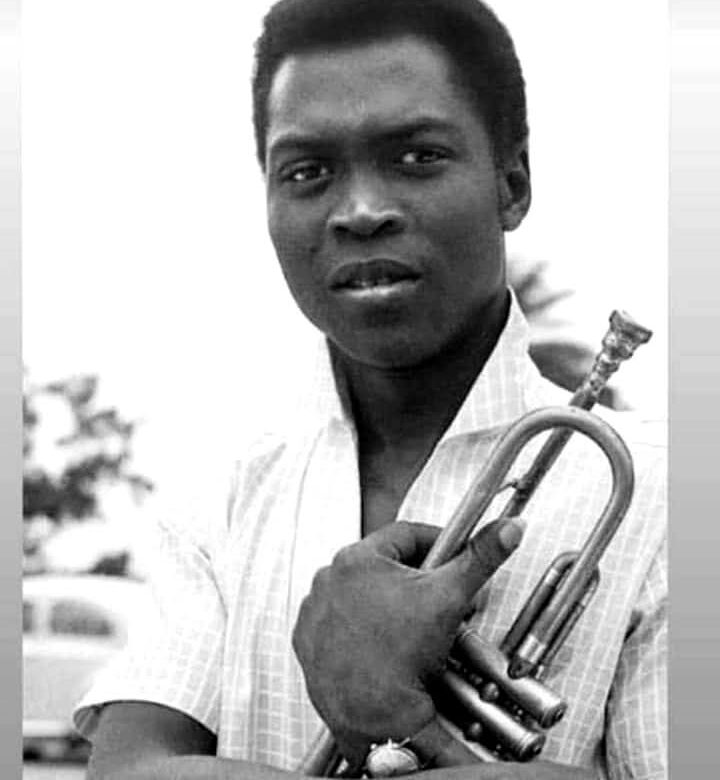
With the return of military rule in 1983, Fela’s confrontations with the authorities resumed. In 1984, he was sentenced to 10 years imprisonment on charges of currency smuggling but was released in 1985 after sustained international pressure, including support from Amnesty International, which recognized him as a Prisoner of Conscience.
Fela is believed to have been arrested more than 100 times during his lifetime. His last major confrontation with law enforcement came in 1996 when he was arrested, detained and prosecuted by the National Drug Law Enforcement Agency (NDLEA) over alleged possession of cannabis. He reportedly fell ill shortly after his release.
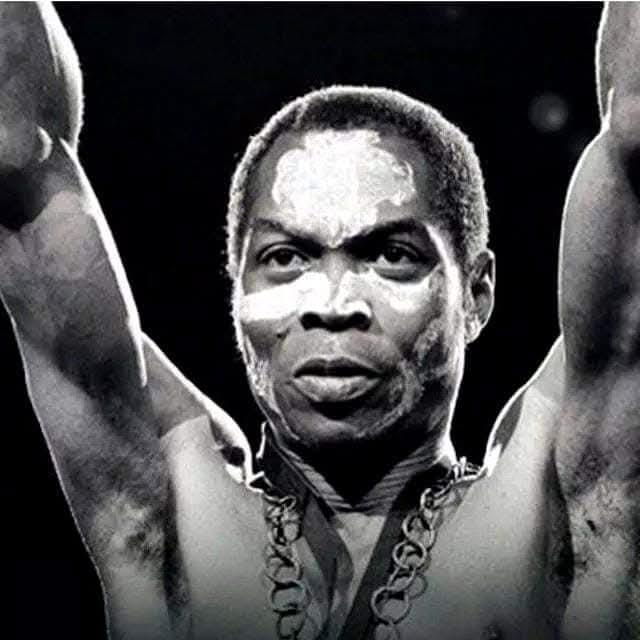
According to widely accepted accounts, Fela died from complications associated with HIV/AIDS and skin cancer.
Nearly three decades after his passing, Fela’s legacy continues to resonate through his music and his unwavering campaign against oppression, corruption and abuse of power. His songs remain influential across generations, reinforcing his reputation as one of Africa’s most iconic musicians and a symbol of resistance.
As admirers remember him on the anniversary of his death, many maintain that while the man is gone, the message in his music continues to inspire. As the saying goes, the music is gone, but the tune lingers.