

By Staff Reporter
In communities across Etsako East Local Government Area of Edo State, a quiet but impactful movement is taking place. Through health education, stakeholder engagement, facility assessments, and grassroots advocacy, National Health Fellow Anthony Comfort is contributing to efforts aimed at improving public health outcomes and strengthening primary healthcare services.
As part of the National Health Fellows Programme, an initiative supported by the Federal Government of Nigeria through the Federal Ministry of Health and Social Welfare, Anthony Comfort has spent the past several months working closely with schools, healthcare facilities, community leaders, development partners, and government institutions to promote healthier communities and support public health interventions.
Promoting Healthy Habits Among School Children
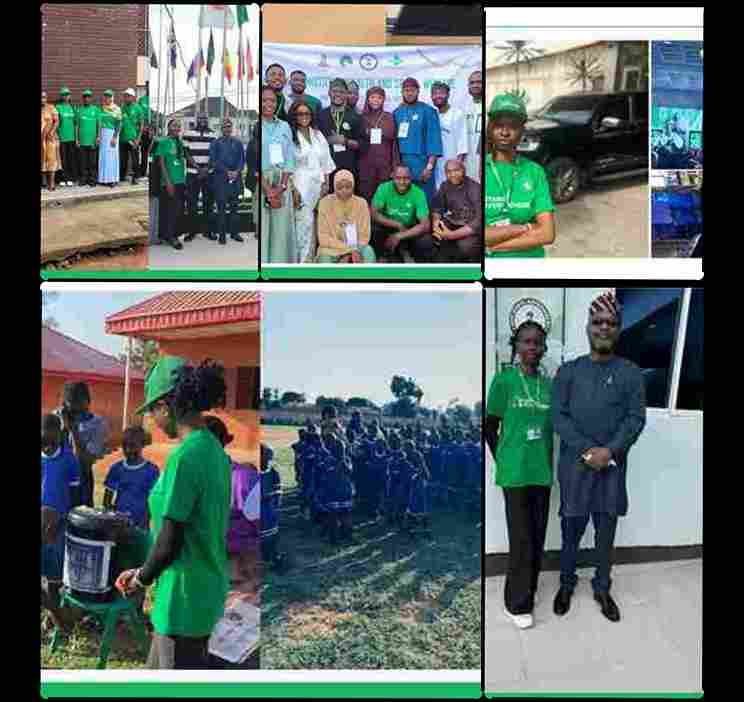
One of the standout activities of the fellowship journey was a handwashing campaign conducted at Osime Primary School in Agenebode. The initiative engaged more than 300 pupils and focused on teaching proper hand hygiene practices as a critical tool for disease prevention.
The campaign emphasized the importance of empowering children with health knowledge at an early age. Participants learned practical handwashing techniques and were encouraged to become ambassadors of healthy practices within their homes and communities.
Public health experts have long recognized that preventive health education among children remains one of the most cost-effective approaches to reducing the spread of infectious diseases and improving long-term health outcomes.
Recognizing the Unsung Heroes of Primary Healthcare
Beyond community outreach activities, facility visits provided valuable insights into the realities of healthcare delivery at the grassroots level.
Visits to primary healthcare centres across Etsako East revealed both the challenges and strengths of Nigeria’s primary healthcare system. Despite infrastructure limitations and resource constraints, healthcare workers continue to provide essential services to community members.
At facilities such as Ivioghe Primary Healthcare Centre, frontline health workers were observed delivering maternal and child healthcare services, routine consultations, immunization activities, and other critical interventions that sustain community wellbeing.
These visits highlighted the dedication of healthcare workers whose contributions often go unnoticed despite the significant role they play in safeguarding public health.
Strategic Stakeholder Engagement for Sustainable Impact
Recognizing that sustainable healthcare improvements require strong partnerships, Anthony Comfort and fellow National Health Fellows embarked on a series of stakeholder engagement visits aimed at fostering collaboration and mobilizing support for community health initiatives.
One of the most notable engagements was a courtesy visit to the Rosula Foundation in Benin City. During the visit, the fellows were warmly received by the foundation’s leadership team, who expressed enthusiasm for the goals of the National Health Fellows Programme and demonstrated a willingness to explore areas of partnership that could benefit communities across Edo State.
The engagement provided an opportunity to discuss innovative approaches to addressing healthcare challenges, strengthening community interventions, and creating pathways for sustainable development through strategic collaboration.
In a similar effort, the fellows also paid a courtesy visit to the Edo State Diaspora Agency, where they were graciously received by the Director General, Dr. Loretta Ogboro-Okor, and her team. The meeting highlighted the agency’s commitment to supporting developmental initiatives and leveraging diaspora partnerships to drive positive change across the state.
The discussions centered on opportunities for collaboration in healthcare, community development, capacity building, and resource mobilization. The fellows were encouraged by the agency’s openness to innovative ideas and its dedication to improving the quality of life of Edo citizens.
Reflecting on these engagements, Anthony Comfort described the visits as both inspiring and motivating. She noted that the warm reception and encouragement received from both organizations reinforced the importance of partnership in achieving meaningful and sustainable health outcomes.
She expressed optimism about future collaborations with the Rosula Foundation and the Edo State Diaspora Agency, stating that such partnerships could play a vital role in supporting initiatives aimed at improving healthcare delivery, promoting disease prevention, and enhancing the wellbeing of residents in Etsako East and Edo State as a whole.
Supporting Maternal and Child Health
Maternal and child health remains one of the most important areas of focus within the fellowship programme. Through community engagements and health promotion activities, efforts have been directed toward encouraging healthier practices among mothers, caregivers, and families.
The initiative aligns with broader national objectives aimed at reducing preventable illnesses, improving child survival rates, and increasing access to quality healthcare services for vulnerable populations.
According to stakeholders involved in the programme, sustainable improvements in maternal and child health require active participation from communities, healthcare providers, development partners, and government institutions working together toward common goals.
Learning Through Mentorship and Capacity Building
A significant component of the National Health Fellows Programme is its emphasis on leadership development and mentorship.
Throughout the fellowship journey, participants receive structured training, practical assignments, and mentorship support designed to strengthen their understanding of public health systems and develop problem-solving skills necessary for community leadership.
For Anthony Comfort, mentorship has played a critical role in navigating challenges, building confidence, and translating classroom learning into practical community action. Through the guidance of her mentor, Constant Nosa Olotu, she has continued to strengthen her leadership capacity while developing a deeper appreciation for evidence-based approaches to public health challenges.
A Collective Responsibility
Perhaps the most important lesson emerging from the fellowship experience is that meaningful and sustainable change cannot be achieved by individuals working alone.
Whether through school-based health education, stakeholder engagement, support for primary healthcare facilities, maternal and child health interventions, or community mobilization efforts, progress occurs when communities, health workers, development partners, government agencies, and citizens work together toward shared objectives.
The National Health Fellows Programme continues to provide emerging leaders with opportunities to contribute meaningfully to health sector development while gaining firsthand experience of the realities facing communities across Nigeria.
As activities continue across Etsako East and other parts of the country, the programme serves as a reminder that improving public health is not solely the responsibility of government institutions. It is a collective effort that depends on citizens willing to raise their hands in service, leadership, and community action.
In Etsako East, many hands are already at work, and through partnerships, innovation, and sustained commitment, the future of community health looks increasingly promising.